

Everything Northern Virginia Homeowners Need to Know About Plumbing Pipes
Out of sight, out of mind. That's how most Northern Virginia homeowners think about their plumbing pipes until something goes wrong. Your home's pipes are working 24/7 behind your walls, under your floors, and beneath your foundation to deliver clean water and remove waste. Understanding what type of pipes you have, how long they last, and when replacement becomes necessary can save you thousands in water damage and emergency repairs.
At Nichols & Phipps, we've been helping Northern Virginia homeowners with their plumbing challenges since 1972. We've seen every type of pipe material imaginable, from the problematic polybutylene pipes of the 1980s to today's modern PEX systems. This guide will walk you through everything you need to know about your home's pipes, from identifying what you have to knowing when it's time for replacement.
Understanding Different Types of Plumbing Pipes
Not all pipes are created equal. The pipes in your home depend largely on when your house was built and what materials were popular at the time. Here's what you need to know about the most common pipe materials in Northern Virginia homes.
Galvanized Steel Pipes (Common in Pre-1970s Homes)
If your home was built before 1970, there's a good chance you have galvanized steel pipes. These pipes were the standard for decades, but they come with a significant downside. Over time, galvanized pipes corrode from the inside out. The visible portions of the pipe may look fine because that's the part that doesn't touch water. Meanwhile, the inside becomes clogged with rust, and water pressure begins to drop.
Lifespan: 40-50 years
Warning Signs: Red or discolored water, especially when you first turn on the faucet; decreased water pressure; and rusty water that clears after running for a few minutes.
Many older homes with galvanized pipes are experiencing corrosion right now. If you have these pipes and notice any of the warning signs above, it's time to have them evaluated by a professional.
Copper Pipes
Copper has been a reliable choice for residential plumbing for decades. These pipes are durable, naturally resist bacterial growth, and typically improve water pressure when installed. Copper is resistant to corrosion and generally provides excellent long-term performance.
Lifespan: 50+ years
Considerations: While copper pipes are durable, they can develop pinhole leaks over time, especially in areas with acidic water conditions. In homes with well water, acid can react chemically with copper pipes and gradually erode them. If you notice blue or green stains around your drains or faucets, this could indicate a reaction between acidic water and your copper pipes.
Despite these occasional issues, copper remains one of the best long-term piping solutions for most homes.
PEX Pipes (Cross-Linked Polyethylene)
PEX has become the modern choice for residential plumbing, and for good reason. These flexible pipes are durable, freeze-resistant, and among the fastest to install in most homes. PEX doesn't cause heat loss like some other materials, which means your hot water reaches you more quickly.
Lifespan: 40+ years (though relatively new, expected to last even longer)
Benefits: Resistant to freezing and corrosion, flexible installation means fewer joints and connections, and faster installation often translates to lower labor costs.
PEX is often our top recommendation for repiping projects because of its durability, versatility, and cost-effectiveness.
PVC Pipes (Polyvinyl Chloride)
PVC is a highly durable plastic/vinyl material that resists corrosion and doesn't rot over time. Since these pipes aren't metal, they don't corrode the way galvanized or even copper pipes can. The durability of PVC pipes means they can withstand bending and movement.
Best Use: Typically used for drain, waste, and vent (DWV) systems rather than water supply lines.
Lifespan: Can last indefinitely when properly installed and used for appropriate applications.
CPVC Pipes (Chlorinated Polyvinyl Chloride)
CPVC is similar to PVC but with added chlorine during manufacturing, making it suitable for hot water applications. This plastic material has strength, flexibility, and extreme resistance to heat. CPVC pipes are also corrosion-resistant.
Best Use: Hot water supply lines
Important Note: CPVC cannot be exposed to sunlight, so it must be used indoors or deep underground.
Lifespan: 50+ years when properly installed
Polybutylene Pipes (The Problem Pipe)
If your home was built between 1978 and 1995, you need to know about polybutylene pipes. These gray, plastic pipes were installed as a low-cost alternative to copper. They were the most popular substitute for traditional copper piping during this period.
Here's the problem: over several years, a combination of oxidation and chlorine in the water supply causes polybutylene pipes to swell, crack, and leak. If you have polybutylene pipes, it's not a question of if they'll fail but a question of when.
How to Identify Poly-B Pipes:
- Gray, white, blue, black, or silver color
- Manufacturer stamp “PB2110”
- Typically 1/2 inch to 1 inch in diameter
- Often found in main water supply lines, near water heaters, in basements, and crawl spaces
What You Should Do: If you discover polybutylene pipes in your home, don't panic. Give us a call at (703) 670-8519 for an evaluation. There's less plumbing in your house than you think, and complete replacement is more affordable and manageable than most homeowners expect.
Poly B pipes are such a big deal, we wrote a whole blog article about it! You can find that here: Got Problems with Your Gray Polybutylene Pipe?
When Is It Time to Repipe Your Home?
Repiping sounds like a massive undertaking, but it's often simpler than you'd think. The question is: how do you know when it's actually necessary? Here are the most common signs that your home needs repiping.
Signs Your Home Needs Repiping
Low Water Pressure
If you've noticed a gradual decrease in water pressure throughout your home, or difficulty running water in more than one area at a time, your pipes may be clogged with mineral buildup or corrosion.
Discolored Water
Red, brown, or yellow water indicates rust inside your pipes. This is especially common when you first turn on the faucet in the morning. While the water may clear after running for a few minutes, this is a clear sign your pipes are corroding.
Water with an Odor
If your water has an unusual smell or metallic taste, it could indicate that your pipes are breaking down and affecting water quality.
Frequent or Extensive Leaks
One leak can be repaired. But if you're constantly dealing with leaks in different areas of your home, it's likely that your entire pipe system is deteriorating. Repeated repairs often end up costing more in the long run than a complete repipe would have.
Slab Leaks
When pipes beneath your home's concrete foundation leak, they're called slab leaks. These are particularly problematic because they're hidden and can cause significant damage before detection. If you notice warm spots on your floors, unexplained increases in your water bill, or hear the sound of running water when all fixtures are off, you may have a slab leak.
You Have Gray Polybutylene Pipes
As mentioned earlier, if you have polybutylene pipes, replacement isn't optional. These pipes will fail, and the question is whether you replace them proactively or deal with emergency water damage when they finally give out.
Age of Your Pipes
Even if you're not experiencing obvious problems, the age of your pipes matters. Galvanized pipes older than 40-50 years, PEX pipes older than 40 years, and copper pipes showing any signs of corrosion or pinhole leaks should be evaluated by a professional.
When Repiping Makes Financial Sense
Sometimes the decision to repipe isn't about immediate necessity but about long-term planning and cost-effectiveness. Consider repiping when:
During a Home Renovation
If you're already planning extensive remodeling or renovating, this is the perfect time to evaluate your pipes and make necessary upgrades. You can save time and money by combining construction and plumbing projects. The walls are already open, which dramatically reduces labor costs.
Before Selling Your Home
If you're planning to sell your home and it has outdated pipes (especially polybutylene), addressing this proactively can make your home more attractive to buyers and prevent price reductions during negotiations. Many insurance companies refuse coverage for homes with certain pipe types, which can be a dealbreaker for potential buyers.
After Getting a Second Opinion
If another plumber has suggested repiping and you're not confident about their recommendation, give us a call for a second opinion. At Nichols & Phipps, we're proud of our reputation as “the honest plumbers.” We'll never recommend repiping unless we feel it's the best option and will save you money in the long run.
What to Expect During a Repiping Project
Many homeowners put off repiping because they imagine a long, disruptive, expensive nightmare. The reality is usually far better than you'd expect.
How Much Does Repiping Cost?
The cost of repiping your Northern Virginia home varies based on several factors. While we can't give you an exact price without evaluating your specific situation, understanding what influences cost helps you plan accordingly.
Factors That Affect Repiping Cost:
Home Size
Larger homes require more piping materials and labor. A home with more bathrooms, appliances, or additional features like a pool will naturally cost more to repipe.
Number of Stories
Multi-story homes cost more to repipe than single-story homes because it's more labor-intensive to run pipes to upper levels.
Complexity of Layout
Sometimes we can use the path of your existing plumbing, which keeps costs down. Other times, a different route makes more sense for future ease and efficiency.
Materials
Your choice of pipe material affects the final cost. PEX typically offers the best balance of quality and affordability, while copper costs more but provides extremely long-lasting performance.
Demolition & Restoration
Some wall and floor access is necessary to replace pipes, but we minimize this by making strategic access points. The amount of demolition required depends on your home's construction and where your pipes are located.
Average Cost Range:
Most complete home repiping projects in Northern Virginia range from $6,000 to $20,000, depending on the factors above. Polybutylene pipe replacement typically falls within this range as well.
Timeline: How Long Does Repiping Take?
Here's some good news: despite the project's scope, most residential repiping jobs can be completed in less than a day when performed by experienced professionals like our team. We repipe homes ourselves rather than subcontracting out, which means faster completion and better quality control.
If your home has challenging piping situations (like pipes hidden under an 8-foot slab or running under your sidewalk or driveway), the timeline may extend, but our expert team has the experience to find the most efficient, least invasive approach.
Will Repiping Damage My Home?
This is one of the biggest concerns we hear from homeowners, and it's a valid one. While some access to walls and floors is necessary, professional plumbers minimize damage through careful planning and proper techniques.
What We Do to Protect Your Home:
- Make strategic, minimal access points rather than removing entire walls
- Use appropriate tools (no sledgehammers or excessive force)
- Protect your home from dust and debris during the work
- Clean up thoroughly after the job is complete
- Ensure all access points are properly closed and finished
Remember, repiping your home isn't like rewiring it electrically. There's less plumbing in your house than you think, and we don't need to remove all the drywall or studs. We remove just what we need to replace the pipes and nothing more.
The Repiping Process: Step by Step
Here's what happens when you schedule a repiping project with Nichols & Phipps:
1. Initial Evaluation
One of our certified plumbing technicians visits your home to assess your current piping system. We'll verify what type of pipes you have, evaluate the complexity of the work, and determine the best approach for your specific situation.
2. Detailed Estimate
We'll provide a clear, upfront estimate that includes materials, labor, and any necessary restoration work. No hidden fees or surprise charges.
3. Material Selection
We'll discuss your options for replacement pipe materials and help you choose the best solution for your needs and budget.
4. Scheduled Installation
We'll schedule a time that works for you, and our experienced team will complete the work as efficiently as possible. In most cases, we're in and out in less than a day.
5. Testing & Cleanup
Before we consider the job complete, we thoroughly test your new plumbing system to ensure everything works perfectly. We clean up after ourselves, leaving your home in better shape than we found it.
6. Final Walkthrough
We'll walk you through your new plumbing system, answer any questions, and ensure you're completely satisfied with the work.
Protecting Your Investment: Pipe Maintenance Tips
Once you understand what type of pipes you have (or after you've invested in repiping), protecting that investment through proper maintenance makes sense.
Regular Inspections
Schedule professional plumbing inspections annually or every other year, especially if your home is older. These inspections can identify small issues before they become major problems.
Monitor Water Pressure
High water pressure (above 80 PSI) can damage pipes and shorten their lifespan. If you notice banging pipes when you turn faucets on or off, or experience frequent leaks, have your water pressure checked. A pressure-reducing valve can protect your pipes from excessive street pressure.
Address Leaks Promptly
Even small leaks can indicate bigger problems or cause significant damage over time. Don't ignore them. A dripping faucet or running toilet might seem minor, but addressing these issues quickly prevents further damage to your plumbing system.
Avoid Chemical Drain Cleaners
Chemical drain cleaners can damage pipes, especially older pipes or those made of certain materials. For stubborn clogs, call a professional plumber who can safely clear the blockage without harming your pipes.
Winterize Your Plumbing
Northern Virginia's freezing temperatures can cause pipes to freeze and burst. Before winter arrives, disconnect garden hoses, cover outdoor faucets, and ensure pipes in unheated spaces are properly insulated.
Be Mindful of What Goes Down Your Drains
Your pipes weren't designed to handle grease, coffee grounds, fibrous foods, or non-biodegradable items. Being careful about what you put down your drains helps prevent clogs and reduces strain on your plumbing system.
Making the Right Decision for Your Home
Understanding your home's pipes doesn't require becoming a plumbing expert, but knowing the basics helps you make informed decisions when problems arise. Whether you're dealing with discolored water, decreasing pressure, or planning a renovation, the condition and type of your pipes should be part of the conversation.
At Nichols & Phipps, we believe in honest advice and quality workmanship. When something is broken, we fix it. When it's unfixable, we replace it. When it's working, we keep it that way. No commissions, no gimmicks, just honest home repair help so you can get back to running your house and living your life.
If you're uncertain about the condition of your pipes, wondering if your home needs repiping, or want a second opinion on a recommendation you've received from another plumber, give us a call at (703) 670-8519. We'll provide an honest assessment of your situation and help you make the best decision for your home and budget.
Remember, your home's pipes are working hard every single day to keep your household running smoothly. Understanding them, monitoring their condition, and knowing when to take action helps protect one of your biggest investments: your home.
Frequently Asked Questions About Home Plumbing Pipes
How do I know what type of pipes I have in my home?
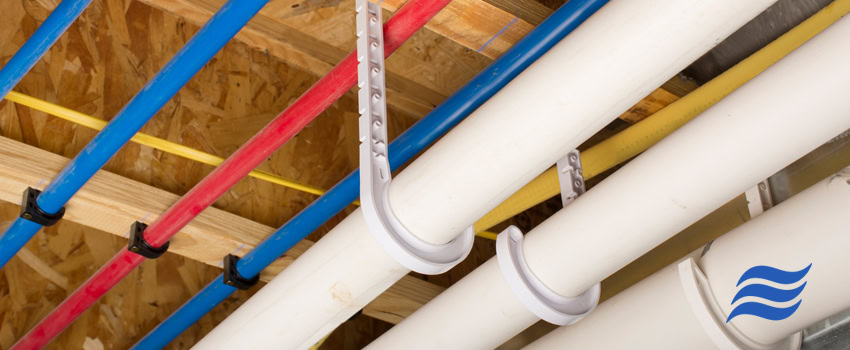
The best way to identify your pipes is to look at exposed sections in your basement, crawl space, or under sinks. Copper pipes are, well, copper-colored. Galvanized steel pipes are silver/gray and magnetic. PEX pipes are flexible and come in various colors (often red for hot water and blue for cold). If you're unsure, a professional plumber can quickly identify your pipe type during a home visit.
Can I replace just a section of pipe or do I need to replace everything?
It depends on the situation. If you have a single leak or damaged section in otherwise healthy pipes, a partial repair often makes sense. However, if your pipes are old and showing multiple signs of deterioration, piecemeal repairs typically cost more in the long run than replacing everything at once. A trusted plumber can help you make the most cost-effective decision.
Is repiping a DIY project?
No. Repiping requires professional expertise, proper tools, knowledge of building codes, and experience with unexpected complications. While some minor plumbing repairs can be DIY projects, repiping is one job you should always leave to licensed professionals.
How do I maintain my pipes after repiping?
After repiping, your maintenance requirements are actually quite simple. Schedule regular professional inspections, address any leaks promptly, avoid chemical drain cleaners, be mindful of what goes down your drains, and protect your pipes from freezing temperatures in winter.
Will my homeowner's insurance cover repiping?
Most homeowner's insurance policies don't cover repiping as it's considered maintenance rather than sudden, accidental damage. However, if pipe failure causes damage to your home, that damage may be covered. Check your specific policy for details. Additionally, some homes with certain pipe types (like polybutylene) may have difficulty obtaining or maintaining insurance coverage.
How long will my new pipes last?
This depends on the material you choose. PEX pipes are expected to last 40+ years (possibly much longer, as they're relatively new). Copper pipes typically last 50+ years. Proper installation and maintenance help maximize the lifespan of any pipe material.
Ready to learn more about your home's plumbing system or schedule a pipe evaluation? Contact Nichols & Phipps today at (703) 670-8519 or visit us online. Serving Northern Virginia homeowners since 1972 with honest, reliable plumbing solutions you can trust.