

Water Treatment Solutions for Northern Virginia Homes
A Complete Approach to Water Quality
When most homeowners think about improving their water, they jump straight to filtration systems. But here's what many don't realize: water treatment solutions go far beyond just filtering out chlorine taste. If you have well water, or if you've noticed blue stains around your sink drains or rusty water coming from your faucets, you might be dealing with problems that simple filtration can't fix.
At Nichols & Phipps, we've been helping Northern Virginia homeowners solve complex water quality issues since 1972. Over the decades, we've seen how the right water treatment approach can prevent thousands in plumbing repairs while improving your family's daily comfort. The secret? Starting with proper testing and addressing the specific problems your water actually has.
Understanding Water Treatment vs. Water Filtration
Let's clear up the confusion. Water filtration focuses primarily on removing particles, chlorine, and improving taste. Water treatment solutions take a comprehensive approach by analyzing your water chemistry and addressing specific issues such as acidity, hardness, iron content, and bacteria.
Think of it this way: filtration is like taking vitamins when you're already healthy. Treatment is like getting medicine for an actual condition. Both have their place, but you need to know what you're dealing with first.
For Northern Virginia homeowners on municipal water, your water is already pretty good. The city treats it for bacteria, balances the chemistry, and adds chlorine for safety because they're regulated to maintain these standards. However, well water is a completely different story and often requires comprehensive treatment to make it safe and comfortable for household use.
The Right Way to Approach Water Treatment: Test First
Here's where many homeowners (and unfortunately some companies) get it wrong. They start selling you equipment before anyone knows what's actually in your water. At Nichols & Phipps, we take a different approach that saves you money and solves the right problems.
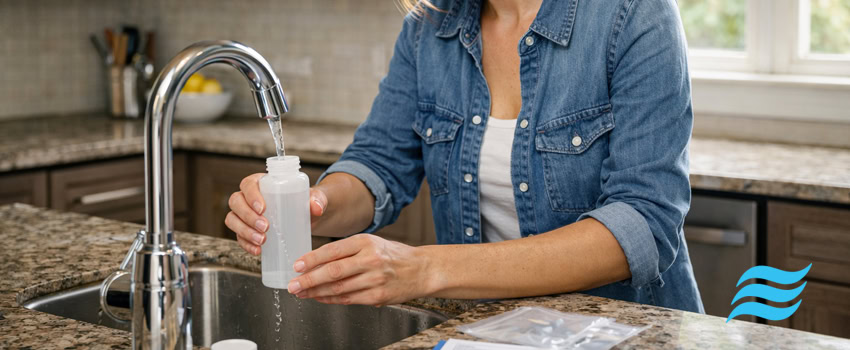
Step 1: Comprehensive Water Testing
Before we recommend any equipment, we need to analyze your water to find out:
- Water quality and pH levels
- Presence of impurities and contaminants
- Acid levels that could be eating your pipes
- Hazardous chemicals or minerals
- Iron content and type
- Hardness levels
- Bacterial contamination (especially for well water)
This testing provides us with a roadmap for what your water actually needs. No guessing, no overselling, just solutions for your specific problems.
Step 2: Install the Right Equipment for Your Problems
Once we know what's wrong, we can address the specific issues by installing the appropriate equipment. This might include:
- Acid neutralizers to protect your copper pipes from corrosion
- Iron extractors to remove rust and staining
- Water softeners to address hardness and improve comfort
- UV light systems for bacterial treatment (common with well water)
- Reverse osmosis systems for comprehensive contaminant removal
The key is addressing what your water test reveals, not just installing equipment because someone thinks you might need it.
The Silent Destroyer: Why Acid Neutralizers Are Critical
If your home has copper piping (and most Northern Virginia homes do), this is probably the most important section you'll read today. Acidic water is the leading cause of pinhole leaks in copper pipes, and many homeowners have no idea their water is slowly destroying their plumbing system.
How to Know If You Need an Acid Neutralizer
The warning signs are clear if you know what to look for:
Blue or green staining around your sink drains, on fixtures, or in toilets is the most obvious indicator. That blue-green color is actually copper from your pipes. The acid in your water is dissolving the copper, and that dissolved copper is leaving stains as it exits through your drains.
Pinhole leaks that seem to appear randomly in your copper pipes are often caused by years of acidic water eating away at the copper from the inside out.
Multiple pipe failures over time indicate a systematic problem rather than just bad luck or old age.
The Science Behind Acid Damage
Water pH should ideally range from 6.8 to 7.2 for copper plumbing systems. Outside these ranges, copper starts to break down. The acid essentially eats your pipes from the inside, creating thin spots that eventually become pinhole leaks.
Here's what makes this particularly frustrating: the damage happens invisibly inside your pipes for years before you see any external signs. By the time you notice blue staining or develop leaks, significant damage has already occurred throughout your plumbing system.
A Note on Copper Pipe Testing: If you suspect acid damage to your copper pipes, testing requires a specific approach. Always test a horizontal section of pipe, not a vertical one. Here's why: acid damage occurs primarily on the bottom interior surface of horizontal pipes, where acidic water comes into contact with the copper for extended periods. Vertical pipes don't show the same damage patterns because water flows through them rather than sitting in them. A proper assessment involves cutting out a small section of horizontal pipe and examining the interior surface for thinning, pitting, or other signs of acid damage. This gives us a clear picture of the extent of the damage and the urgency of your treatment.
The Benefits of Acid Neutralization
Installing an acid neutralizer provides several critical benefits:
Saves you money on repairs by preventing the pinhole leaks that can cost thousands to repair, especially when they're hidden behind walls or under floors.
Extends the life of your plumbing system dramatically. Copper pipes, when properly balanced, can last 50+ years. In acidic water, they might fail in 20-30 years or less.
Protects your appliances and fixtures from the same corrosion that damages pipes. Your water heater, washing machine, and dishwasher all contain copper components.
Eliminates staining of sinks, tubs, and toilets, keeping your fixtures looking clean without constant scrubbing.
An acid neutralizer is the best protection available to avoid copper breakdowns. It's not the most exciting investment you'll make in your home, but it might be one of the most important for protecting your plumbing infrastructure.
What Is an Acid Neutralizer & How Does It Work?
An acid neutralizer is a tank-based water treatment system that's installed where your main water line enters your home. Think of it as a large filter tank (similar in size to a water softener) filled with a special mineral media, typically crushed white calcite (a natural form of calcium carbonate) or a blend of calcite and magnesium oxide.
Here's how it protects your pipes:
The Physical Setup: The system looks like a large cylindrical tank (typically 10 to 14 inches in diameter and about 4 to 5 feet tall) that sits near where water enters your home. It's positioned before the water heater and before your water goes anywhere else in the house, ensuring all water flowing through your plumbing gets treated.
How It Works: As acidic water flows up through the tank, it contacts the calcite media. The acid in your water slowly dissolves small amounts of calcite, releasing calcium and magnesium into the water. This dissolution process neutralizes the acid, raising the pH to a safe level (typically 7.0 to 7.2).
Think of it like an antacid tablet for your water. Just as Tums neutralizes stomach acid by dissolving calcium carbonate into it, an acid neutralizer does the same thing for your water supply.
Maintenance Requirements: The calcite media is sacrificial, meaning it dissolves over time as it does its job. You'll need to refill the tank with fresh calcite about once a year (sometimes every 6-18 months depending on how acidic your water is and how much water you use). This is a simple process that takes just a few minutes and costs very little.
The system also performs automatic backwashing (similar to a water softener) to clean the media bed and prevent compaction, keeping everything working efficiently.
One Important Note: Because calcite adds calcium and magnesium to your water, an acid neutralizer will slightly increase water hardness. If your water was already hard (above 5-7 grains per gallon), you might want to pair the acid neutralizer with a water softener. Your water test will show whether this is necessary for your specific situation.
Iron: The Stain-Maker & Pipe-Clogger
If you have well water or live in certain areas of Northern Virginia, iron in your water can cause serious problems throughout your home. Iron extractors remove iron particles from your water system before they can do damage.
How Iron Affects Your Pipes
Clogs & Narrowing: Iron particles and rust accumulate inside pipes, gradually narrowing them and reducing water pressure throughout your home.
Accelerated Corrosion: Iron in your plumbing system promotes corrosion, destroying pipes and increasing the risk of leaks and failures. This is particularly problematic in older galvanized piping.
Iron Bacteria Growth: Small organisms thrive on iron, creating slimy substances that can clog pipes and create unpleasant odors in your water.
How Iron Affects Your Home
Beyond your plumbing system, iron creates visible problems throughout your house:
Rust-colored stains on fixtures, clothing, and dishes that are nearly impossible to remove once they set in.
Unpleasant Taste & Smell: Iron often gives water a metallic taste or a musty smell, making drinking water and cooking unpleasant.
Appliance Damage: Iron accumulation in water heaters, dishwashers, and washing machines reduces efficiency, shortens lifespan, and leads to early failures requiring costly repairs or replacements.
The Solution: Iron Extraction
Iron extractors are designed to remove iron from your water before it enters your home's plumbing system. These systems use various technologies depending on the type and amount of iron in your water:
- Oxidizing filters convert dissolved iron into particles that can be filtered out
- Manganese dioxide media removes both iron and manganese
- Air injection systems for severe iron problems
- Chemical feed systems for the most challenging situations
The right solution depends on your water test results, which is why testing first is so critical.
What Is an Iron Extractor & How Does It Work?
Iron extractors (also called iron filters or iron removal systems) are whole-house treatment systems that remove iron from your water before it can cause staining, clogging, and corrosion. Like acid neutralizers, these are tank-based systems installed where your main water line enters your home.
The Physical Setup: An iron extraction system typically consists of one or two large cylindrical tanks (similar in appearance to water softeners). Single-tank systems handle both treatment and filtration in one unit, while two-tank systems use separate tanks for oxidation and filtration for more severe iron problems.
How It Works – The Three-Step Process:
Step 1: Oxidation (turning invisible iron into visible particles)
Iron in well water is often “ferrous iron,” which is dissolved in the water and completely invisible when it first comes out of your tap. To remove it, the system first needs to convert it to “ferric iron” (rust particles) that can be filtered out.
This happens through oxidation, which means exposing the iron to oxygen. Different systems use different oxidation methods:
- Air Injection Systems: Inject compressed air into the water, creating millions of tiny bubbles that oxidize the iron naturally (most common and economical)
- Chemical Injection Systems: Add hydrogen peroxide, chlorine, or other oxidizers to the water for faster, more complete oxidation
- Special Filter Media: Use materials like greensand, birm, or pyrolox (manganese dioxide) that have oxidizing properties
Step 2: Filtration
Once the iron is oxidized into solid rust particles, the water flows through a filter bed that captures these particles. The filter media acts like a very fine sieve, trapping oxidized iron while allowing clean water to pass through.
Common filter media include:
- Multi-layer filter beds (gradually getting finer to catch different particle sizes)
- Catalytic carbon (enhances the oxidation process while filtering)
- Specialized iron removal media like greensand or pyrolox
Step 3: Backwashing (Self-Cleaning)
Your iron filter maintains itself through automatic backwashing. Every few days (usually at night when water use is low), the system reverses water flow to flush all the trapped iron particles down the drain and refresh the filter media. This self-cleaning process keeps the system working efficiently without any action required from you.
Maintenance Requirements: Modern iron extraction systems are largely automatic and require minimal maintenance:
- The system backwashes itself automatically
- Filter media typically lasts 4-7 years before needing replacement
- If using chemical injection, you'll need to refill the oxidizer (hydrogen peroxide or chlorine) periodically
- Annual professional inspection is recommended
Important Consideration: Iron filters work best when your water's pH is neutral (around 7.0). If you have both acidic water and iron problems, you'll typically need to install an acid neutralizer first, then the iron filter. The acid neutralizer raises the pH to the level where iron filters work most effectively.
Water Softeners: Comfort & Protection
Water softeners address hardness, which is caused by dissolved calcium and magnesium in your water. While hard water isn't a health hazard, it creates problems that affect your daily comfort and your home's plumbing system.
What Water Softeners Do & Don't Do
It's important to understand that water softeners do not remove acid or many other impurities in your water. They specifically target hardness by exchanging calcium and magnesium ions for sodium ions via ion exchange.
The Benefits of Soft Water
Healthier Skin & Hair: Hard water leaves a film on your skin and hair, making them feel dry and rough. Soft water rinses clean, leaving skin feeling smoother and hair looking healthier.
Better Water Pressure & Protected Pipes: By preventing scale buildup inside pipes, soft water helps maintain water pressure and extends the life of your plumbing system.
Cleaner Dishes with No Residue: Say goodbye to water spots on glasses and dishes. Soft water allows dish soap to rinse completely clean.
Longer-Lasting Clothes: Fabrics washed in soft water stay softer longer and don't develop the stiff, worn feeling caused by hard water deposits.
Cleaning Products Work Better: You'll use less soap, shampoo, and detergent because soft water allows these products to lather and rinse more effectively.
Better-Tasting Water: Many homeowners notice that soft water tastes cleaner and more refreshing than hard water.
Considerations with Water Softeners
Installation & Maintenance Costs: Water softeners require upfront installation and ongoing maintenance, including regular salt additions and occasional service.
Water Waste During Regeneration: The regeneration process (when the system cleans and recharges itself) uses water. However, modern systems are much more efficient than older models.
Sodium Content: Since softeners exchange calcium for sodium, there's a slight increase in sodium in your water. For most people, this isn't a concern, but individuals on strict low-sodium diets should be aware of it.
What Is a Water Softener & How Does It Work?
A water softener is a whole-house treatment system that removes hardness minerals (calcium and magnesium) from your water through a process called ion exchange. It's one of the most common water treatment systems in homes with hard water.
The Physical Setup: A typical water softener consists of two main components:
- The Resin Tank: A tall cylindrical tank (usually about 10-14 inches in diameter and 4-5 feet tall) filled with tiny resin beads. This is where the actual softening happens. The tank is installed on your main water line where water enters your home, treating all the water before it flows to your faucets and appliances.
- The Brine Tank: A shorter, wider tank (typically 18 inches in diameter and about 3-4 feet tall) that holds salt (or potassium chloride). This sits next to the resin tank and is where you add bags of softener salt. The two tanks are connected by a small tube that allows the system to draw salt water when needed.
How It Works – The Ion Exchange Process:
During Normal Operation: As hard water flows through the resin tank, it passes over thousands of tiny resin beads. These beads are coated with sodium ions (from the salt). The beads act like tiny magnets for hard minerals. When hard water contacts the beads, calcium and magnesium ions bind to the beads, while sodium ions are released into the water.
Think of It Like a Trade: the resin beads grab the hardness minerals out of your water and replace them with sodium. The soft water then flows through your home's plumbing system.
The Regeneration Cycle: Eventually, the resin beads become saturated with calcium and magnesium and can't hold any more. When this happens (typically every few days, depending on your water usage and hardness level), the system automatically regenerates itself.
During regeneration (which usually happens at night):
- The system draws salt water (brine) from the brine tank
- This concentrated salt solution flows over the resin beads
- The salt solution has so much sodium that it forces the calcium and magnesium off the beads
- The hardness minerals get flushed down the drain with the salt water
- The resin beads are now recharged with fresh sodium and ready to soften water again
- The system refills the brine tank with water to dissolve more salt for the next regeneration
Maintenance Requirements:
Water softeners require regular but simple maintenance:
- Add Salt Regularly: You'll need to add bags of softener salt to the brine tank about once a month (sometimes more or less depending on your water usage and hardness levels). Each bag typically costs $5-10. The system will alert you when salt is low.
- Check Salt Levels: Simply lift the lid on your brine tank periodically to make sure there's always salt available. Keep the tank at least half full.
- Annual Cleaning: It's good practice to clean out the brine tank and check that the resin bed is functioning properly once a year. Many homeowners have this done during an annual checkup of their water treatment system.
- Occasional Resin Replacement: The resin beads typically last 10-15 years before needing replacement, so this isn't a frequent concern.
- Water Usage During Regeneration: One thing to understand is that during the regeneration cycle (typically 1-2 hours), your water softener is offline, and water bypasses the system. This means you'll get hard water during that time. That's why systems regenerate at night when water use is minimal. Modern systems also include a bypass valve that ensures you always have water, even during regeneration.
- Salt vs. Salt-Free Systems: Traditional water softeners use salt and the ion exchange process described above. “Salt-free” systems (also called water conditioners) work differently and don't actually remove hardness minerals. Instead, they attempt to change the structure of hardness minerals so they don't stick to surfaces as easily. While salt-free systems require no maintenance and don't add sodium to your water, they're generally less effective than traditional salt-based softeners at preventing scale buildup and don't provide the same soft water feel.
Reverse Osmosis: The Ultimate Water Purity
For homeowners seeking the highest-quality drinking water, reverse osmosis systems provide exceptional contaminant removal. While we covered RO systems in detail in our water filtration guide, they deserve mention here as part of a comprehensive water treatment approach.
Reverse osmosis systems use a semi-permeable membrane and water pressure to remove dissolved solids, heavy metals, PFAS, pharmaceuticals, and contaminants at the molecular level. Think of it as pushing water through the ultimate screen where nothing gets through without permission.
These systems are typically installed under your kitchen sink with either a small storage tank (1-2 gallons) or as tankless on-demand units, along with a dedicated faucet installed next to your kitchen faucet. While traditional systems use storage tanks, newer tankless RO systems produce filtered water on demand, eliminating the need for tank space. However, there are many installation configurations available to accommodate every home. The end result is water that's often cleaner and better-tasting than bottled or spring water.
For comprehensive information about reverse osmosis systems, including how they work and what they remove, check out our complete guide to water filtration systems.
UV Light Treatment: Protection from Bacteria
UV light systems are primarily necessary for homes with well water, where bacterial contamination can be a serious concern. Municipal water is already treated for bacteria, so UV sterilization isn't typically needed.
What Is a UV System & How Does It Work?
A UV sterilization system is a cylindrical stainless steel chamber (about the size of a large thermos) that's installed on your main water line. Inside the chamber is a UV lamp that emits ultraviolet light at a specific wavelength (254 nanometers) that destroys the DNA of bacteria, viruses, and other microorganisms.
As water flows through the chamber, UV light penetrates the organisms, preventing them from reproducing. They're still in the water, but they can't make you sick because they've been rendered harmless. Think of it like having a tiny, powerful sun that zaps harmful organisms as water flows past.
The entire process takes place in seconds, with no chemicals added to your water, no change in taste, and no residue.
When UV Treatment Makes Sense
If you have well water, UV treatment is often essential for protecting against E. coli and other bacteria that can contaminate private water supplies, particularly in rural areas or on farms.
Well water can become contaminated through various sources, including agricultural runoff, septic systems, or natural sources. Since there's no municipal treatment plant monitoring and treating your water, UV sterilization provides critical protection for your family's health.
Maintenance Requirements:
UV systems are relatively low-maintenance:
- Replace the UV lamp annually (it gradually loses effectiveness even though it still glows)
- Clean the quartz sleeve that protects the lamp from water contact (usually annually)
- Some systems include UV intensity monitors that alert you if the effectiveness drops
Important Note: UV systems only kill microorganisms – they don't remove sediment, chemicals, or other contaminants. If your water test shows both bacterial issues and other problems, you'll typically need UV treatment combined with other solutions, such as filtration or chemical treatment.
Watch Out for Water Treatment Scams
Unfortunately, the water treatment industry has its share of companies that use scare tactics or misleading information to sell unnecessary equipment. Here's how to protect yourself:
The Right Approach
- Test the Water First: Any reputable company should start with comprehensive water testing. If someone is trying to sell you equipment before testing your water, walk away.
- Require Proof of What's Wrong: Don't accept vague claims about “contaminated” water. You should see actual test results showing what's in your water and the levels at which it's present.
- Fix the Specific Problems: Your treatment solution should address the actual issues identified in your water test, not a generic “everything” system.
- Get Multiple Opinions: If a water treatment quote seems excessive or the salesperson is using high-pressure tactics, get a second opinion from a company you trust.
Red Flags to Watch For
- Companies that refuse to provide detailed water test results
- Salespeople who use scare tactics about your water quality
- Pressure to sign contracts immediately with “today only” discounts
- Systems that seem to treat every possible water problem regardless of your actual test results
- Companies that can't explain specifically what equipment does and why you need it
At Nichols & Phipps, we believe in testing first, providing clear explanations of our findings, and recommending solutions that address your specific water quality issues. No scare tactics, no unnecessary equipment, just honest solutions that work.
Your Water Treatment Plan: Getting Started
If you're dealing with water quality issues in your Northern Virginia home, here's how to move forward:
- Schedule a Free Water Test: Contact Nichols & Phipps to schedule comprehensive water testing. We'll collect samples and analyze them for pH, hardness, iron content, bacteria (if you have well water), and other potential issues.
- Review Your Results: We'll explain what we found in plain language, showing you which issues need to be addressed and which ones don't.
- Get a Customized Treatment Plan: Based on your test results, we'll recommend specific equipment that addresses your water problems. You'll understand exactly what each component does and why you need it.
- Professional Installation: Our certified technicians will properly install your water treatment system, ensuring it integrates seamlessly with your existing plumbing and operates at peak efficiency.
- Ongoing Support: We'll show you how to maintain your system and provide ongoing service to keep it working properly for years to come.
The Nichols & Phipps Difference: Protect Your Home & Your Family
Water treatment isn't about selling you the most expensive equipment we can. It's about testing your water, identifying real problems, and implementing solutions that protect your home and improve your family's comfort.
We've built our reputation on honest advice and quality work. When it's broken, we fix it. When it's unfixable, we replace it. When it's working, we keep it that way. No commissions, no gimmicks, just honest home repair help so you can get back to running your house and living your life.
Whether you're dealing with blue stains from acid damage, rusty water from iron, hard water spots, or you simply want to ensure your well water is safe for your family, we can help you understand your options and choose the water treatment solutions that make sense for your home and budget.
Don't wait for pinhole leaks or damaged appliances to tell you that your water needs treatment. A simple water test can identify problems before they become expensive disasters.
Ready to find out what's really in your water? Call us today at (703) 670-8519 or visit us online to schedule your free water test. We'll help you understand your water quality and recommend treatment solutions that actually address your specific needs.
Remember, the right water treatment approach starts with understanding what you're dealing with. Let our experienced team help you protect your home's plumbing system while improving your water quality for better health and comfort.